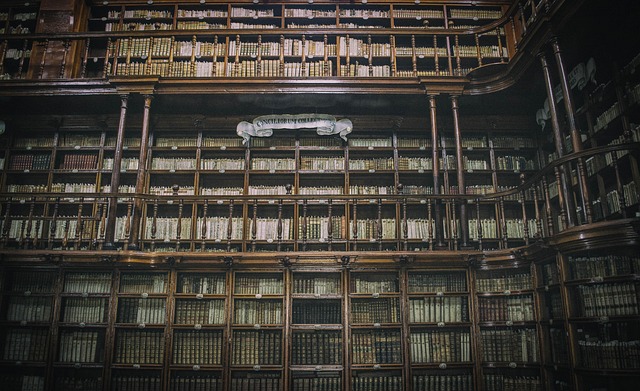
The new kind of memory
Devices do not forget.
They store quietly and wait.
Storage as confidence
Photos, messages, locations, and searches accumulate without asking permission.
The past becomes searchable instead of distant.
Memory turns into infrastructure.
Human forgetting as a feature
People used to forget on purpose.
Time softened sharp details.
The value of blur
Not everything needed to stay clear.
Some things became meaningful because they faded.
When recall replaces reflection
You no longer need to think back.
You only need to scroll.
Evidence without understanding
A timeline can show what happened.
It cannot explain what it felt like.
Records do not carry reasons.
The comfort of external brains
Notes apps hold appointments.
Clouds hold entire years.
Outsourcing the fragile parts
The mind becomes lighter.
The meaning becomes heavier.
Digital memory
Information preserved by machines without decay, judgment, or forgetting.
Surveillance disguised as recall
Every saved detail can also be watched.
Remembering and monitoring share the same tools.
Who owns the past
The question sounds philosophical.
It is mostly technical.
Access becomes power.
Living inside archives
Moments are created with their future retrieval in mind.
Life becomes a document waiting to be opened.
Presence with a backup
You experience events while preparing them for later.
Sometimes the recording feels more important than the moment.
What forgetting used to protect
Distance once gave mistakes a chance to dissolve.
Now errors stay sharp forever.
A permanent version of yesterday
Apologies expire.
Screenshots do not.
A quiet kind of resistance
Some things are not saved.
Some conversations disappear naturally.
Spaces without witnesses
Silence still deletes.
And deletion still feels human.
For general research on digital memory and data permanence, see this overview from the Electronic Frontier Foundation: https://www.eff.org/issues/online-privacy
There are moments that exist only once, and nothing keeps them.